
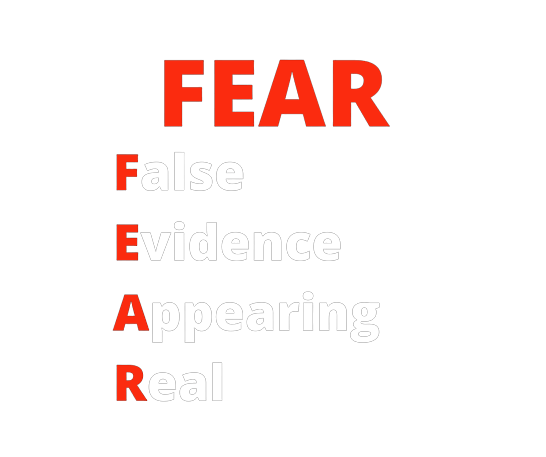
Fear can be a trojan horse. When we feel it, it’s a warning that what comes next may be dangerous. It’s an indicator that we’re at our limit, and our subconscious minds want us to back out. Though the feeling of fear is unpleasant, inside it lies a hidden opportunity.
In 1901, Theodore Roosevelt hesitated before he invited Booker T. Washington to the White House for dinner. It was the first time in American history that a black man had ever dined in the White House as the president’s guest.
Roosevelt hesitated because was scared that his racist voters in the south would abandon him, that the newspapers would criticize him, and that it would ultimately cost him the election. The sitting president who had conquered adversity several times throughout his life was scared of what people might think.
However, the fear that he felt was precisely why he decided to go through with it. Roosevelt would later write in a letter to a civil rights adviser:
“The very fact that I felt a moment’s qualm on inviting him because of his colour made me ashamed of myself and made me hasten to send the invitation. As things turned out, I am very glad that I asked him, for the clamour aroused by the act makes me feel as if the act was necessary.”
In moments of fear like the one Roosevelt felt, there can be great danger,
 Bedroom 2 Boardroom 🚀